Guides
Counterfeit money and exchange scams: how to protect yourself when travelling
1 min read
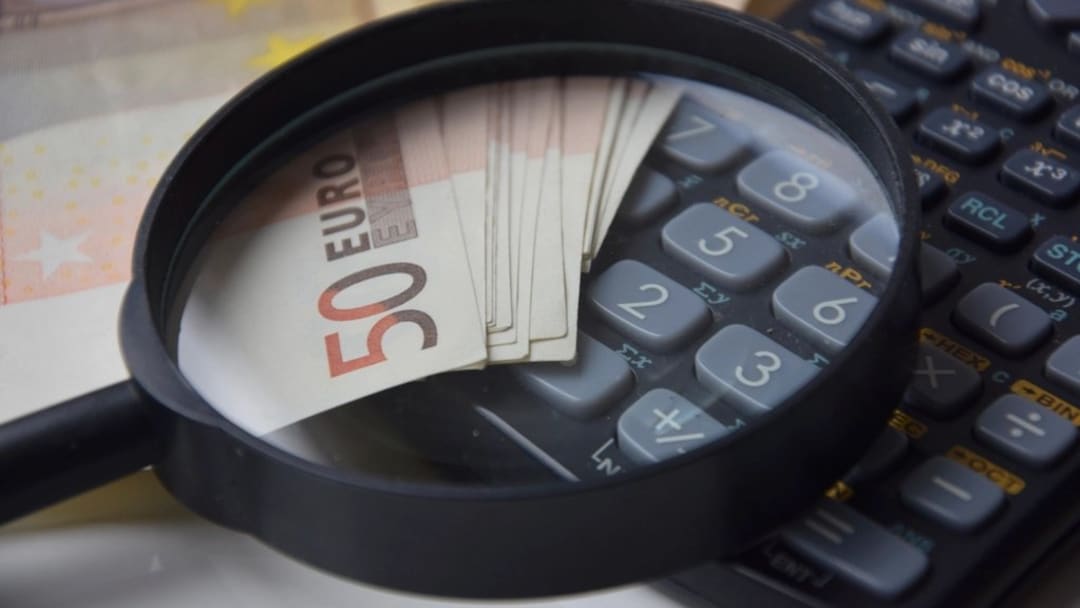
Street money changers
A "good rate" offered on the street often hides a trap: counterfeit notes, rigged counting, withdrawn banknotes. In Peru, for example, the travel advice warns that counterfeit sol and US dollar bills are a serious problem and advises avoiding street moneychangers. In Cuba, it's even illegal to change money anywhere other than an authorized business.
The simple rule: change your money before you leave, at a registered counter, or at a bank or official exchange office at your destination.
Recognizing a genuine banknote
Central banks publish the security features of their banknotes:
Canadian dollar: the Bank of Canada explains how to check polymer notes (transparent window, metallic features, raised ink).
US dollar: uscurrency.gov details the watermark, security thread and colour-shifting ink.
Euro: the European Central Bank recommends the "feel, look and tilt" method.
Take a minute to look at your destination's banknotes before you leave.
Online scams
Fake exchange websites: rates far better than anywhere else, payment by wire or cryptocurrency, no physical address. Check that the business is on FINTRAC's money services business registry.
Urgent money requests: a "relative" in trouble abroad, a so-called government agent, a prize to claim. Hang up and check another way.
At the counter
A legitimate exchange office gives you a receipt, counts the notes in front of you and asks for ID. Count them yourself before leaving the counter.
ClickExchange is registered with FINTRAC (M17831726) and licensed by Revenu Québec (12347). See how to check that an exchange office is legitimate.
Frequently asked questions
What should I do if I receive a counterfeit note?
Don't pass it on. In Canada, report it to your local police.
Do exchange offices check the notes they buy?
Yes. That's also why a doubtful or damaged note may be refused (damaged or old banknotes).
About the author
ClickExchange
ClickExchange team


