
Latest · Guides
Where to exchange money in Montréal, Laval and Brossard: bank, airport or currency exchange?
Most of the time, a dedicated currency exchange office gives you more foreign currency for the same amount than an airport counter or a bank branch, because its margin over the market rate is thinner. Always compare the final amount you receive, fees included — not just the posted rate.
· 3 min read

Travel money
Travelling to Europe: how many euros should you bring in cash?
Bring enough euros for your first two or three days and small expenses (transit, tips, markets), then pay for the rest by card, always choosing the local currency. Also check whether your route crosses a non-euro country such as Switzerland or the United Kingdom.
· 2 min read

Exchange rates
Paying in Canadian dollars abroad? Why you should almost always choose the local currency
When a card terminal or ATM abroad offers to charge you in Canadian dollars, choose the local currency instead. This "dynamic currency conversion" uses the merchant’s own rate, which is usually more expensive than your card’s, and it doesn’t always spare you your bank’s foreign transaction fee.
· 2 min read

Exchange rates
Buy rate, sell rate and spread: how to read an exchange rate
An exchange counter posts two rates: the one at which it sells you a currency and the one at which it buys it back. The gap between those rates and the market rate is what you really pay. "No commission" means that cost is entirely in the rate, not that there isn’t one.
· 2 min read

Guides
Travelling with $10,000 or more in cash: the CBSA rule explained
There is no limit on how much money you can travel with, but if you enter or leave Canada with C$10,000 or more (all currencies added together), you must report it to the Canada Border Services Agency. If you don’t, the money can be seized and penalties apply.
· 2 min read

Guides
Reserving currency online: how it works, step by step
You choose the currency and amount, the branch and the date, then confirm your phone number. There’s nothing to pay upfront: you pay at pickup, in cash, by debit card or by Interac e-Transfer, at the rate in effect that day.
· 2 min read

Travel money
US dollars: buy them before you leave or when you get there?
Buy part of your US dollars before you go: you know the rate, you avoid ATM fees on arrival and you have small bills for tips. For the rest, a card with no foreign transaction fee works well. For a long stay, buying in a few instalments spreads the exchange-rate risk.
· 2 min read
Sending money
Sending money abroad from Canada: bank-to-bank transfer or international wire?
To send money abroad, compare the amount your recipient will actually receive, not just the posted fees: the exchange rate applied and intermediary bank fees often matter more. Have the recipient’s full name, address, account number (or IBAN) and their bank’s SWIFT code ready.
· 2 min read

Travel money
United Kingdom and Ireland: pounds sterling or euros?
The United Kingdom, including Northern Ireland, uses the pound sterling (GBP). The Republic of Ireland uses the euro. If your trip includes both Belfast and Dublin, bring both currencies. Old paper £20 and £50 notes haven’t been accepted in shops since September 30, 2022.
· 2 min read

Travel money
Travelling to Japan: why you should bring yen in cash
Japan is still a largely cash-based society, and many ATMs there don’t accept foreign debit cards. Arrive with enough yen for the first few days, keep your credit card for hotels and department stores, and spend your coins before you fly home.
· 1 min read

Travel money
Travelling to Mexico: pesos or US dollars?
In Mexico, pay in Mexican pesos: even in Cancún or Puerto Vallarta, prices in US dollars are converted at the merchant’s rate, rarely in your favour. Leave with pesos for your arrival and tips, pay big expenses by card in pesos, and declare any amount over US$10,000.
· 2 min read

Travel money
Travelling to Cuba: why you should bring all your money in cash
Since June 6, 2026, Visa and Mastercard cards are no longer accepted in Cuba. Bring enough cash for the whole stay, ideally US dollars or euros in small bills: Canadian dollars are hard to exchange there, and changing money on the street is illegal.
· 2 min read

Travel money
Travelling to the Dominican Republic (Punta Cana): pesos or US dollars?
In the Dominican Republic, both Dominican pesos and US dollars work in tourist areas like Punta Cana. Bring pesos for small expenses and a few US dollars in small bills for tips. If you arrive by air, the tourist card is included in your ticket.
· 2 min read

Travel money
Travelling to Jamaica: Jamaican dollars or US dollars?
Jamaica’s currency is the Jamaican dollar (JMD). Cards are accepted at hotels and tourist businesses, but ATMs are scarce outside Kingston and Montego Bay. Arrive with cash: Jamaican dollars for local spending and small bills for tips.
· 1 min read

Travel money
Travelling to Costa Rica: colones or US dollars?
In Costa Rica, US dollars are far easier to exchange than Canadian dollars, which are extremely hard to exchange. Leave with US dollars and some colones for small expenses, use your credit card, which is generally accepted, and make sure your PIN has four digits for ATMs.
· 1 min read

Travel money
Bahamas, Barbados, Aruba, Cayman Islands: Caribbean currencies pegged to the US dollar
Several Caribbean islands have a currency pegged to the US dollar at a fixed rate: 1 Bahamian dollar equals US$1, 2 Barbadian dollars equal US$1, 2.70 East Caribbean dollars equal US$1. US dollars are therefore handy there, but local currency is still useful for small purchases and the change you get back.
· 2 min read

Travel money
Dubai and the UAE: the dirham and Gulf currencies
The UAE dirham (AED) is pegged to the US dollar, at about 3.67 dirhams per US$1. Cards are widely accepted at hotels, shops and restaurants, but small businesses sometimes prefer cash. You must declare AED 60,000 or more in cash when entering or leaving.
· 1 min read

Exchange rates
Why does the Canadian dollar go up or down?
The Canadian dollar floats freely: its value mostly depends on interest rates in Canada compared with the US, the price of resources Canada exports such as oil, the strength of the US dollar and market confidence. No one can reliably predict its moves.
· 2 min read

Exchange rates
When is the best time to buy foreign currency?
No one can predict the best day. What really saves money: not waiting for the airport, comparing the spread between counters and, for a large amount, buying in two or three instalments in the weeks before you leave rather than all at once.
· 1 min read
Guides
Damaged, old or withdrawn banknotes: can you still exchange them?
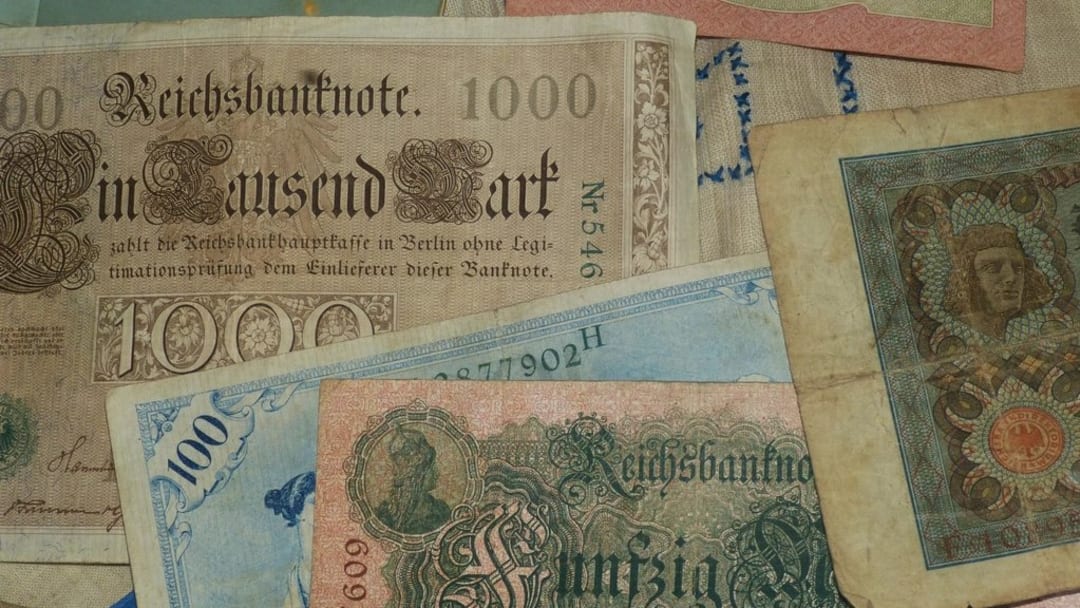
An exchange office only accepts banknotes in good condition, because it has to be able to resell them. Damaged or withdrawn notes often keep their value, but you then go through the central bank that issued them: the Bank of Canada, the US Treasury, the Bank of England or a euro-area central bank.
· 2 min read
Guides
Selling back foreign currency after a trip: how it works
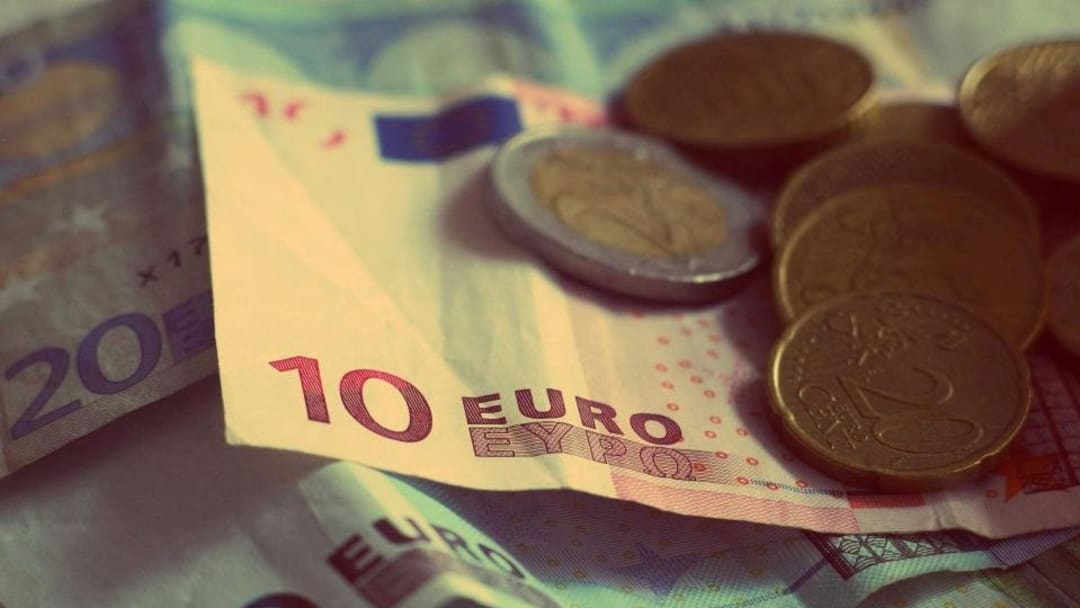
When you get back, you can sell us your foreign banknotes in good condition at the day’s sell rate. Coins aren’t accepted. For currencies you use often, like US dollars or euros, keeping them for your next trip avoids paying the spread twice.
· 1 min read
Guides
Newcomers: what to do with the money you bring to Canada
If you arrive in Canada with C$10,000 or more in cash, all currencies combined, report it to the Canada Border Services Agency when you arrive. Then keep proof of where the money came from: your bank or exchange office may ask for it when you deposit or exchange it.
· 2 min read
Sending money
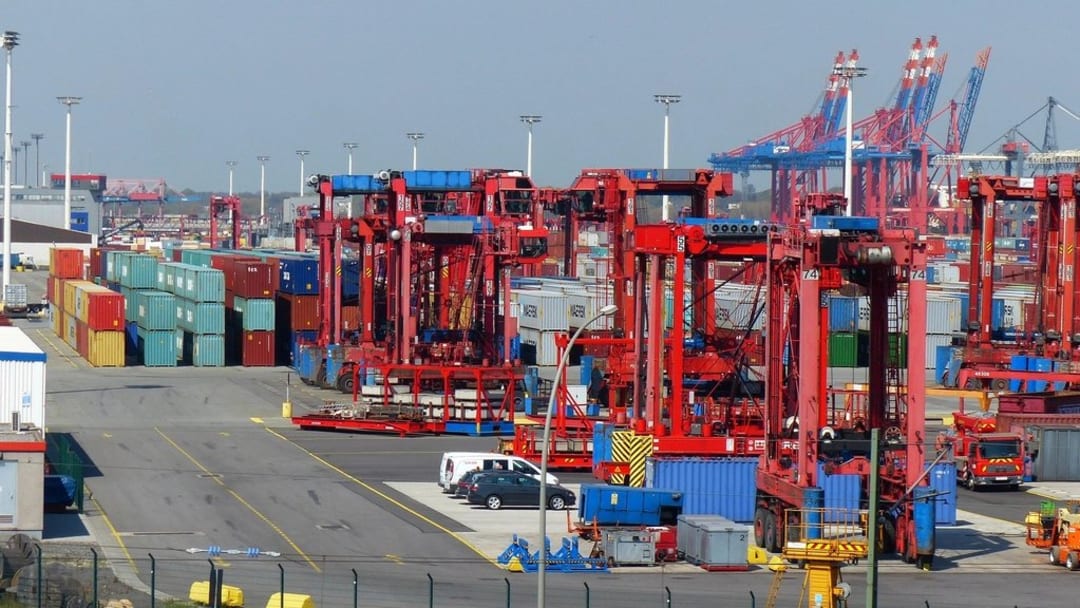
Businesses: paying a foreign supplier in US dollars or euros
To pay an invoice in a foreign currency, compare the total cost of the payment: the exchange rate applied often weighs more than the wire fee. Get the rate and all fees confirmed before sending, verify the supplier’s banking details by some means other than email, and plan for settlement time.
· 1 min read
Guides
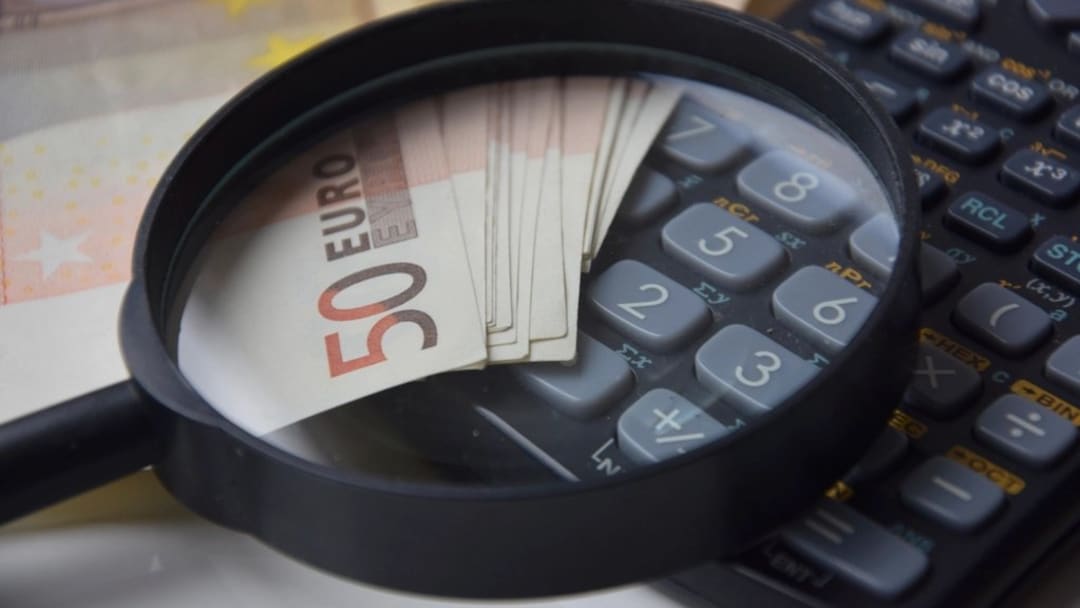
Counterfeit money and exchange scams: how to protect yourself when travelling
Never change money on the street: that’s where most counterfeit notes and sleight-of-hand tricks circulate, and in some countries, like Cuba, it’s even illegal. Buy your currency before you leave from a FINTRAC-registered exchange office, learn the security features of banknotes and be wary of exchange websites that look too good to be true.
· 2 min read
Guides
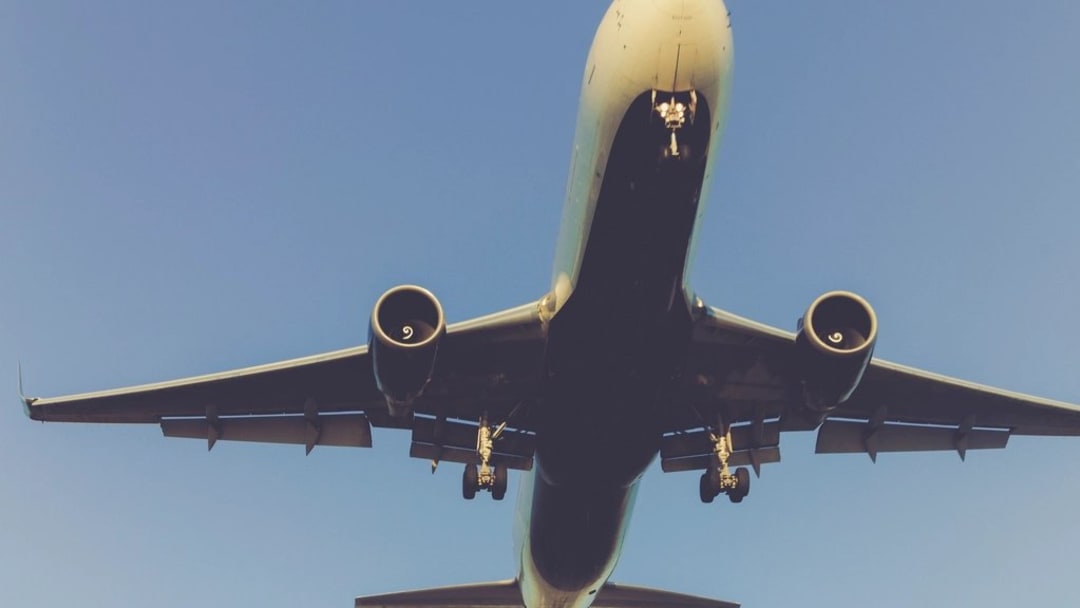
Before your flight from Montréal-Trudeau: where to exchange money?
Airport exchange counters usually have the widest spread. If you’re flying out of Montréal-Trudeau, exchange beforehand: our Saint-Laurent branch is about 7 km from the airport as the crow flies. Reserve online a few days ahead and pick it up on your way, with nothing to pay upfront.
· 2 min read
Guides
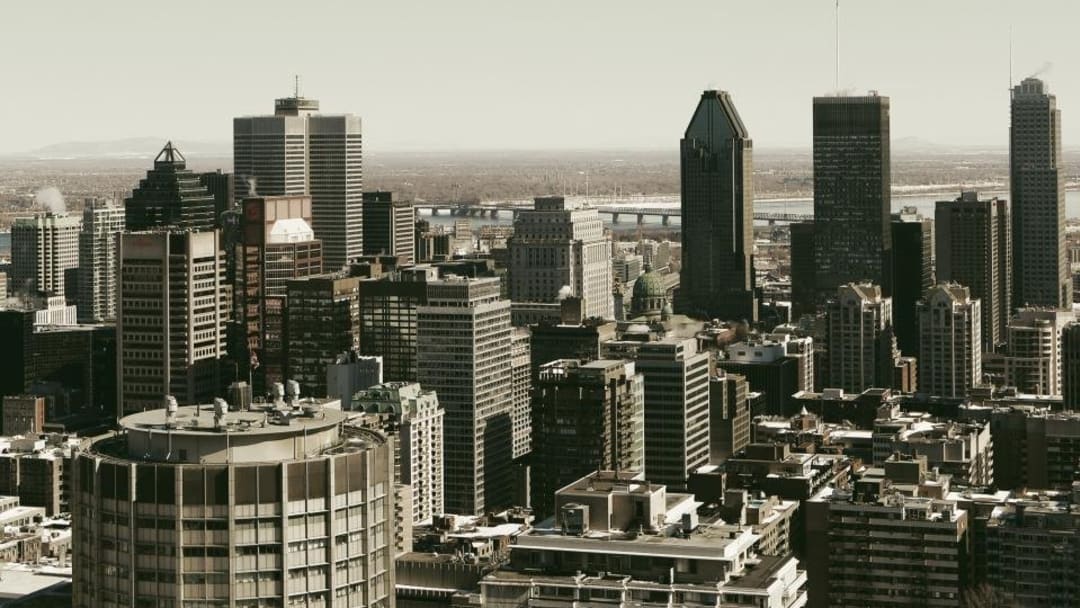
Currency exchange on the South Shore: Brossard, Longueuil, Saint-Lambert and La Prairie
On the South Shore, our Brossard branch at 2151 Boulevard Lapinière is open seven days a week, until 9 p.m. on Thursday and Friday. Walk in without an appointment or reserve your currency online so it’s ready, with nothing to pay upfront.
· 1 min read
Guides
Currency exchange in Laval and on the North Shore
In Laval, our branch at 2160 Boulevard du Curé-Labelle is open seven days a week: 9 a.m. to 7 p.m. on weekdays and 9 a.m. to 4 p.m. on weekends. It also serves the North Shore, from Boisbriand to Terrebonne. Walk in without an appointment or reserve your currency online.
· 1 min read

Travel money
How much cash should you bring on a trip? A simple 4-step method
Work out your daily cash spending, multiply by the number of days, add a reserve of about 20% and adjust for the destination: much more cash for Cuba or Japan, less for northern Europe or the UK. Pay for the rest by card, in the local currency.
· 2 min read

Travel money
Heading south: pesos, US dollars or euros? Mexico, the Dominican Republic and Cuba
In Mexico, pay in Mexican pesos. In the Dominican Republic, both pesos and US dollars work in tourist areas. For Cuba, bring enough cash in US dollars or euros for the whole stay: since June 6, 2026, Visa and Mastercard cards are no longer accepted there.
· 3 min read